
What’s Actually Scratching or Damaging Your Windows?
If you’ve ever noticed scratches, hazy patches, or marks that just won’t come off your windows, your first thought is usually the same: something must have physically scratched the glass.
Sometimes that’s true, but more often, the cause is a lot less obvious.
Windows in big cities like London are constantly exposed to a mix of pollution, dust, mineral deposits, and environmental residue. Over time, these don’t just sit on the surface — they can start to affect the glass itself, especially if they’re not cleaned properly or regularly.
If you want to know how to prevent it, understanding what’s actually causing the damage is your first step.
Built-Up Dirt and Pollution
It might not look dangerous, but the layer of grime that builds up on windows can be surprisingly abrasive.
Fine particles from traffic pollution, construction dust, and general urban debris settle onto the glass over time. When that buildup is left for too long, it effectively creates a rough surface.
Then, when windows are wiped or cleaned — especially without proper technique — those particles can drag across the glass and leave behind light scratches.
This is one of the most common causes of damage, and it often happens during what people think is a simple clean.
Hard Water and Mineral Deposits
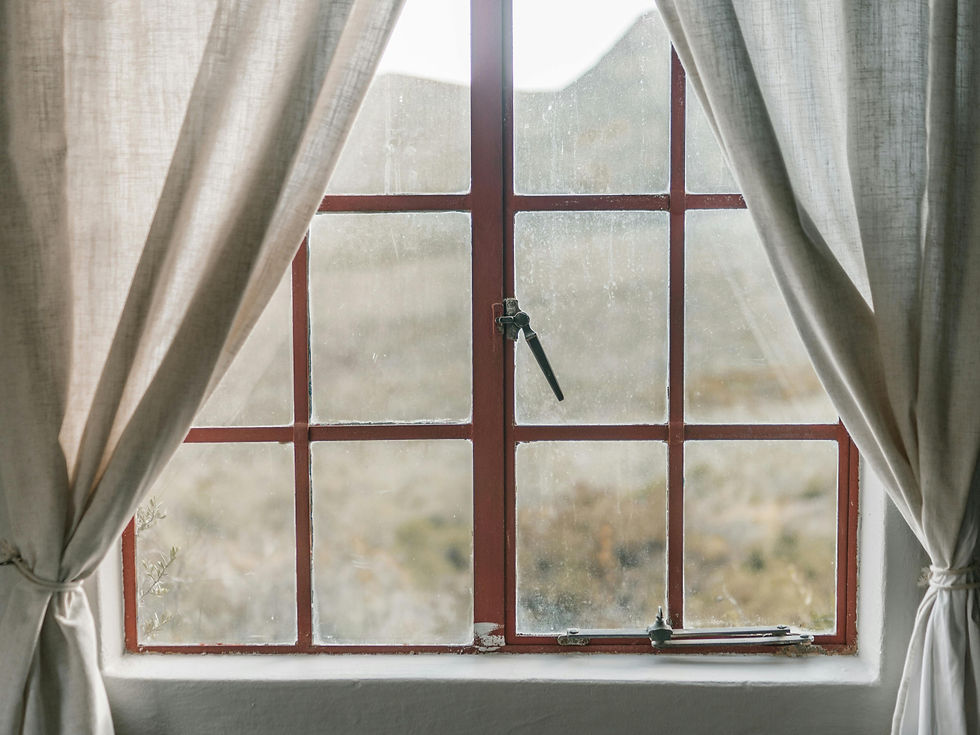
Another issue that gets mistaken for scratching is mineral staining.
When water dries on glass, be it from rain, sprinklers, or cleaning, it can leave behind minerals like calcium and magnesium. Over time, these deposits build up and bond to the surface.
They look like smudges or cloudy patches at first. But if left untreated, they can start to etch into the glass, creating marks that don’t wash away easily.
This is why some windows still look “dirty” even after they’ve been cleaned. They’re not dirty anymore — they’re marked.
Residue from Building or Maintenance Work
Not all marks come from natural buildup. In some cases, they’re the result of work carried out on the property itself.
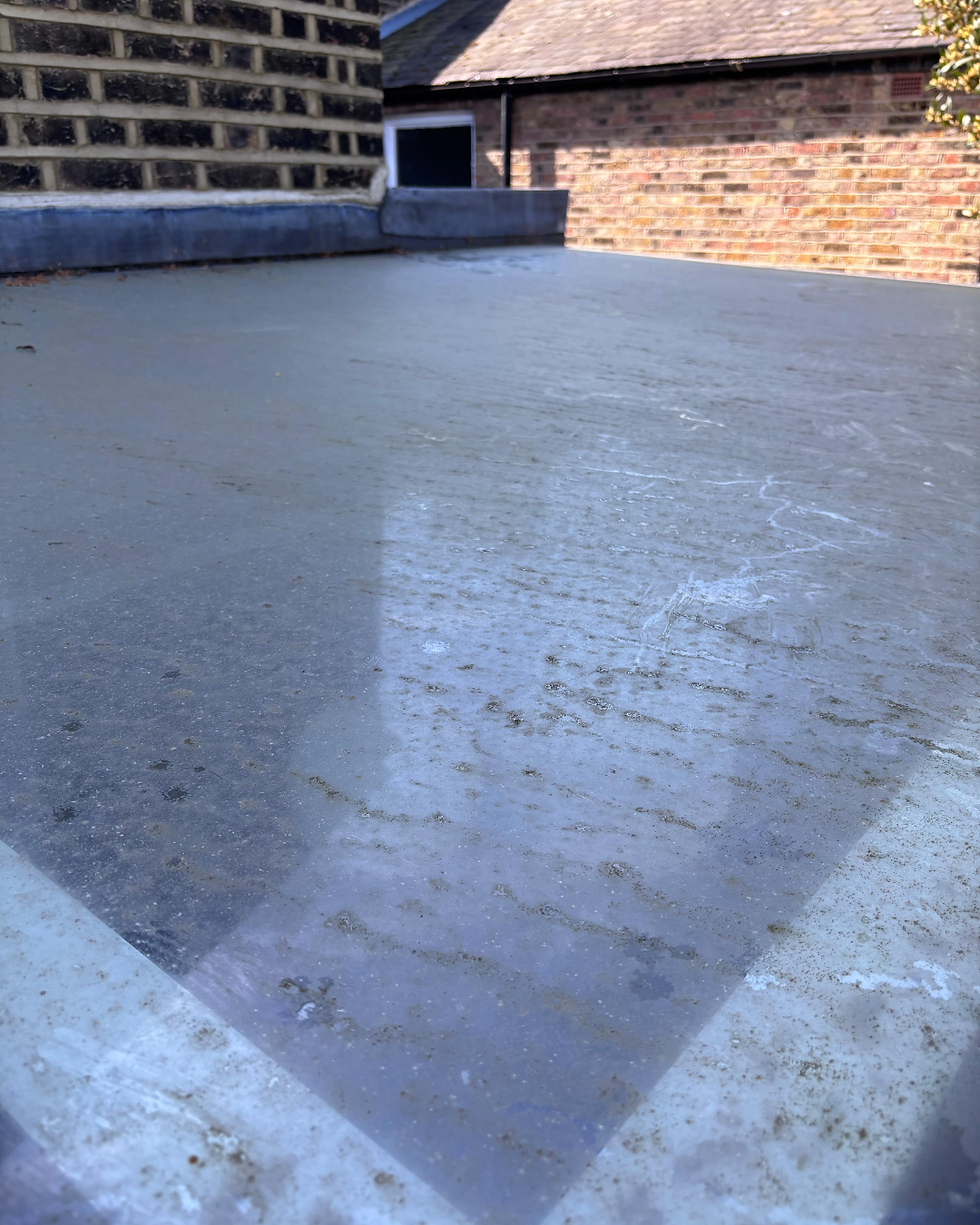
Our team at The Riviera Group recently came across a situation where windows had oily specks that wouldn’t come off. At first glance, it’s easy to assume it’s just stubborn dirt. But the cause can be something entirely different.

In many cases, this type of residue is generally linked to products used on nearby surfaces, such as brickwork treatments or protective coatings.
Water-repellent sealants can leave behind fine overspray.
Certain coatings create oily or greasy-looking spots on glass.
Residue can smear or spread when wiped rather than lift away.
These products are designed to bond to surfaces and repel water, which is exactly why they’re so difficult to remove once they’ve settled on glass.
So while it might not be “damage” in the traditional sense, it does require the right approach to avoid making it worse.
Incorrect Cleaning Methods
Using the wrong tools or techniques can easily cause damage, even with good intentions.
Things that tend to cause problems include:
Using rough cloths, paper towels, or abrasive pads
Cleaning dry glass without rinsing away dirt first
Applying too much pressure when trying to remove stubborn marks
Using standard tap water that leaves mineral residue behind
It’s not just about what you clean with — it’s how you do it. Even small habits can lead to long-term wear if repeated over time.
A Smarter Approach to Keeping Your Windows in Good Condition

At The Riviera Group, we often see cases where windows haven’t been “damaged” in a single moment, but gradually affected over time by buildup and incorrect cleaning.
That’s why our approach focuses on protecting the glass as much as cleaning it. We use purified water pole systems combined with soft-bristled brushes specifically designed for window cleaning. This allows us to lift dirt and buildup safely, without introducing minerals or creating unnecessary friction — resulting in a clear, streak-free finish that lasts longer.
If you’ve been noticing marks that won’t come off, or you’re unsure whether your windows are simply dirty or starting to show early signs of damage, it’s worth getting a clearer picture sooner rather than later.
Contact us today to schedule a clean! You can also check your price first using our online quote calculator — no waiting, no back-and-forth, and no pressure to book.


Comments