
Why Your Windows Attract More Dirt in Warm Weather
Warm weather is usually associated with brighter days and clearer views, but when it comes to your windows, it often brings the opposite effect. Many property owners in London notice that their glass doesn’t stay clean for long during spring and summer, even after a recent clean.
This happens as a result of several environmental factors that become more active as temperatures rise. From airborne dust to faster drying water, these changes all contribute to quicker buildup on your windows. Understanding what’s happening makes it easier to stay ahead of it.
Increased Airborne Dust and Open Windows

As the weather warms and dries out, more dust is lifted into the air. At the same time, windows are opened more often, allowing dust to move freely inside and around your property.
Fine dust particles circulate more easily in dry air, making it easier for debris to settle directly onto glass. Constant airflow helps particles cling to surfaces rather than pass by, exposing your windows to more contaminants throughout the day. This leads to faster visible buildup.
Higher Levels of Pollen and Urban Pollution
Spring and summer in London bring a noticeable increase in pollen, especially in areas with nearby greenery.
Coupled with the city’s everyday pollution from traffic and construction, the dirt builds up gradually and reduces your windows’ clarity over time. Even when this layer isn’t immediately obvious, it becomes much more visible in direct sunlight.
Faster Evaporation Leaves Behind Residue
Water behaves differently in warm weather. When windows are exposed to heat and sunlight, moisture dries much more quickly. As this happens, any minerals left behind can form visible spots, especially if the water used isn’t purified.
This is why windows can appear marked even shortly after rain or cleaning, particularly when viewed in strong sunlight.
Heat Causes Dirt to Bond More Firmly
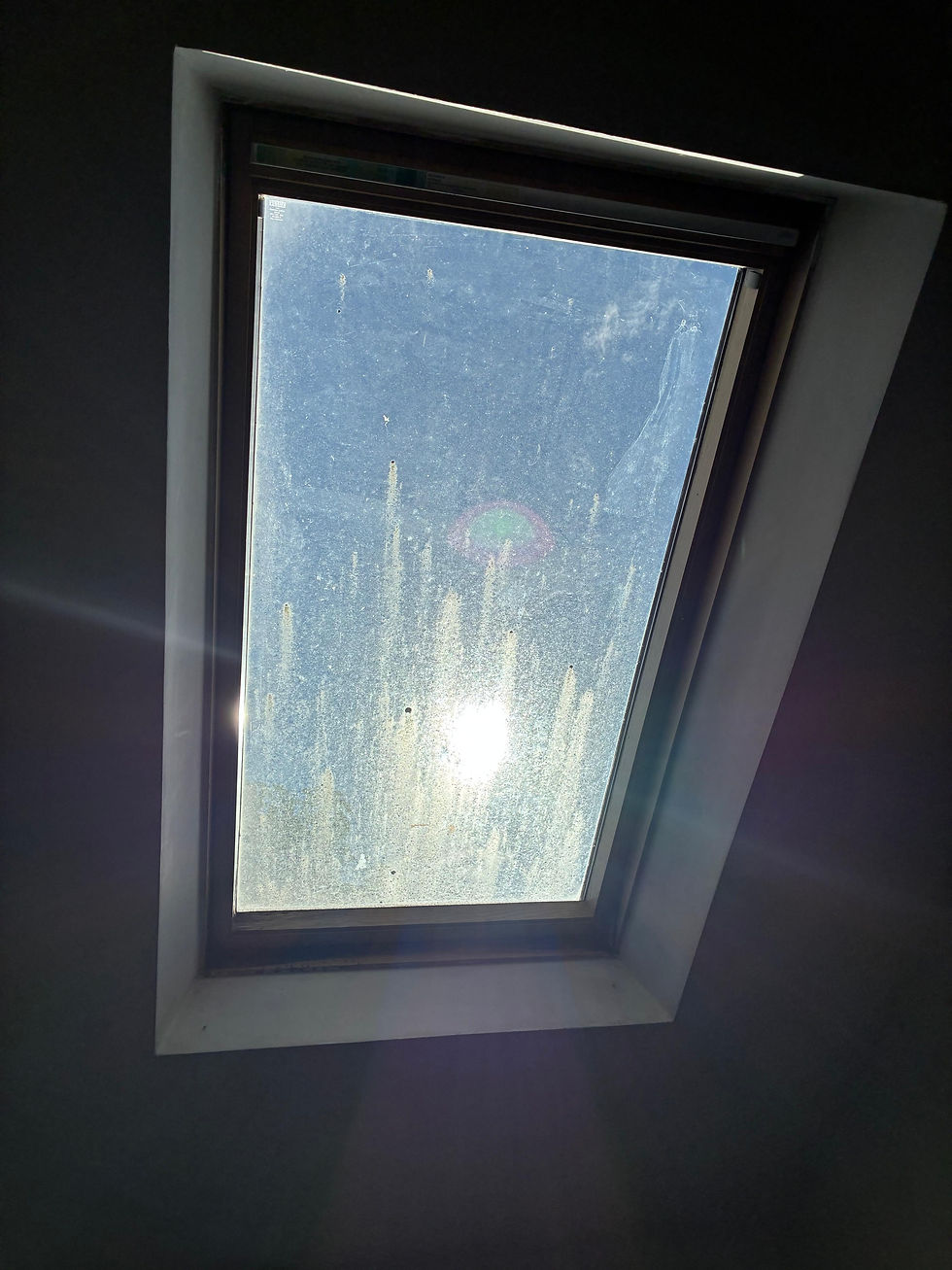
Warm surfaces change how dirt interacts with glass. Instead of sitting loosely, particles can stick more firmly, especially when combined with moisture from condensation or light rain.
As the glass heats up, residue dries and settles into place more quickly, making it harder to remove with a simple wipe and often requiring a more thorough clean.
Longer Gaps Between Cleans Lead to Buildup
When windows get dirty faster, leaving longer gaps between cleans allows layers to form. What starts as light dust can gradually turn into a more stubborn film that dulls the glass.
Keeping to a consistent cleaning schedule helps prevent this buildup and makes each clean more effective.
Leave Your Window Cleaning to Professionals in Warmer Months
If your windows seem to lose their clarity more quickly during warmer weather, it’s usually down to these combined factors rather than anything you’re doing wrong. The key is using the right approach to remove buildup effectively and prevent it from returning too quickly.
At The Riviera Group, we provide professional window cleaning in London using purified water systems that remove dirt and minerals without leaving behind residue. This helps your windows stay cleaner for longer, even in conditions where dust and pollution are more active.
If you’re noticing faster buildup or stubborn marks, it may be time for a more consistent and effective solution. You can check your price instantly using our online quote calculator — quick, straightforward, and with no pressure to book.


Comments